Today I am going to take a closer look at the TPACK Framework and use a self-assessment tool to reflect upon and evaluate one of my past lesson sequences that used technology. TPACK-based rubrics are beneficial for practicing teachers to support their technology-enhanced learning design practices (Bower, 2017).
The Technology Pedagogy and Content Knowledge model was developed by Mishra and Koehler (2006) to ensure the integration of technology into educators’ pedagogy, rather than technology being integrated with a lack of theoretical grounding. The framework consists of three interrelated aspects: pedagogical knowledge, technological knowledge, and content knowledge that are surrounded by context.
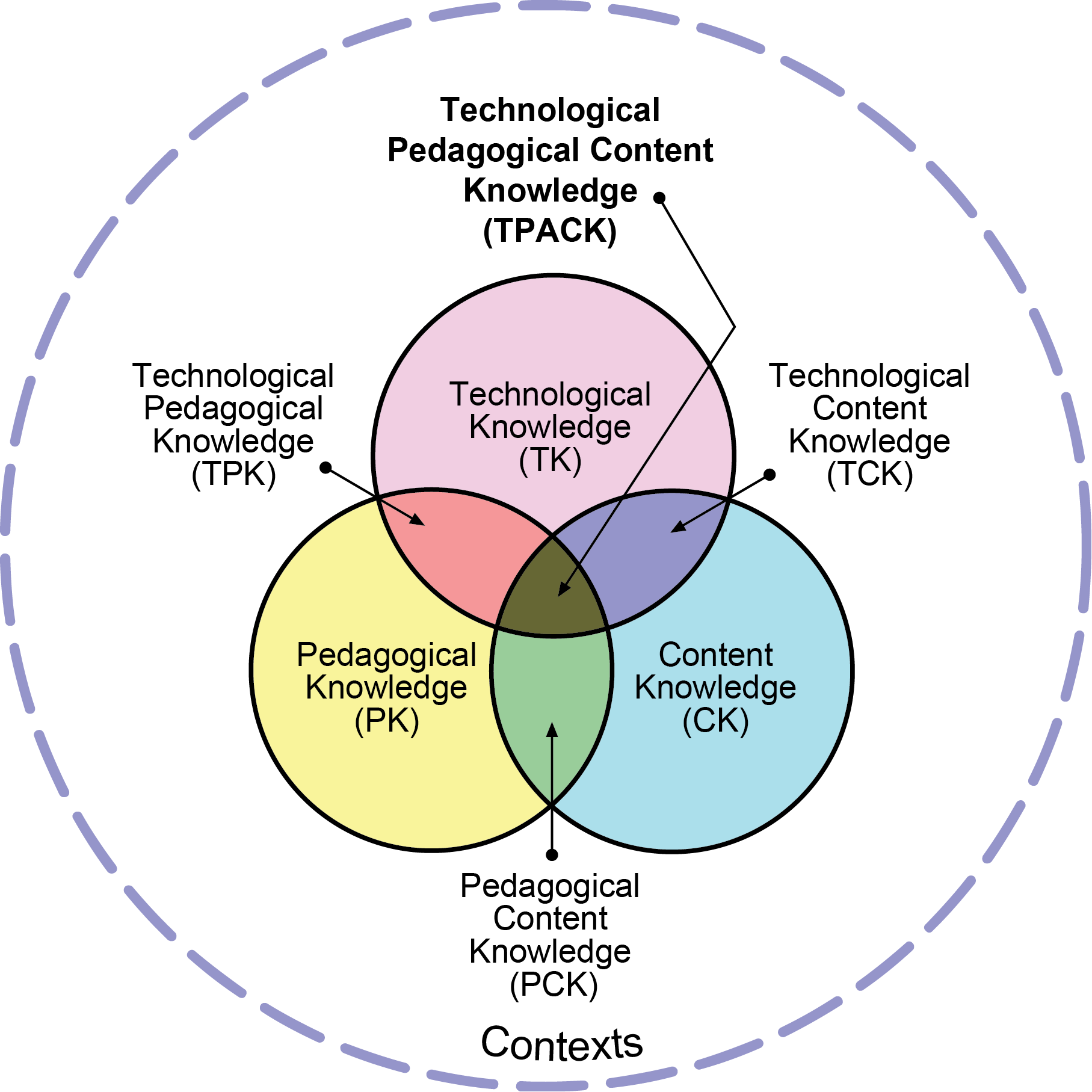
(Tpack.org, 2012)
You can find more about how TPACK works by watching this video.
THE LESSONS
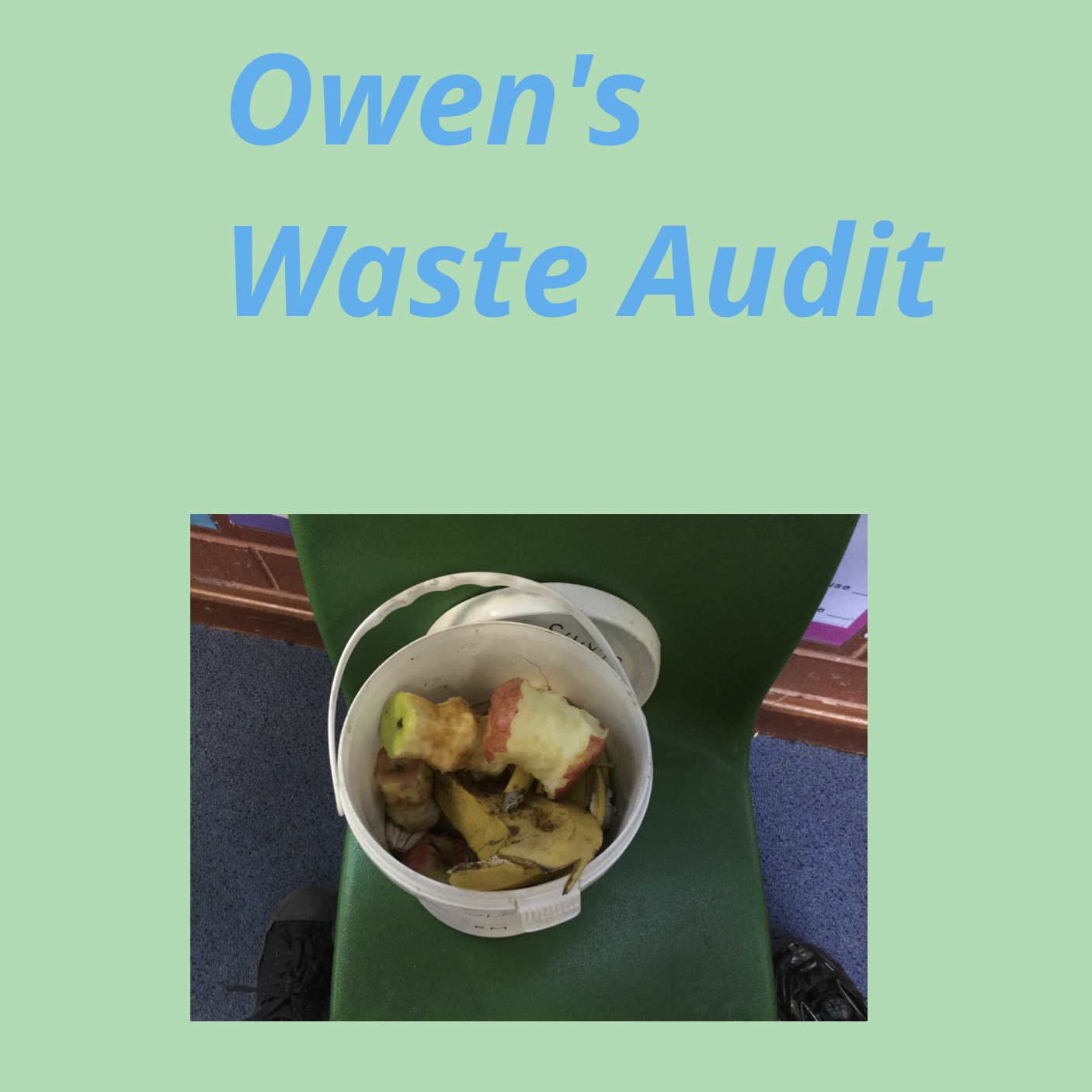
The lesson sequence I will be reflecting on in this blog post will be one that I taught my Year 1 class last year. My students had previously explored sustainability and waste minimisation, and this task encouraged them to take a closer look at their daily food waste. The students used iPads for this task, creating books on the Book Creator app and creating their graphs on Numbers app.
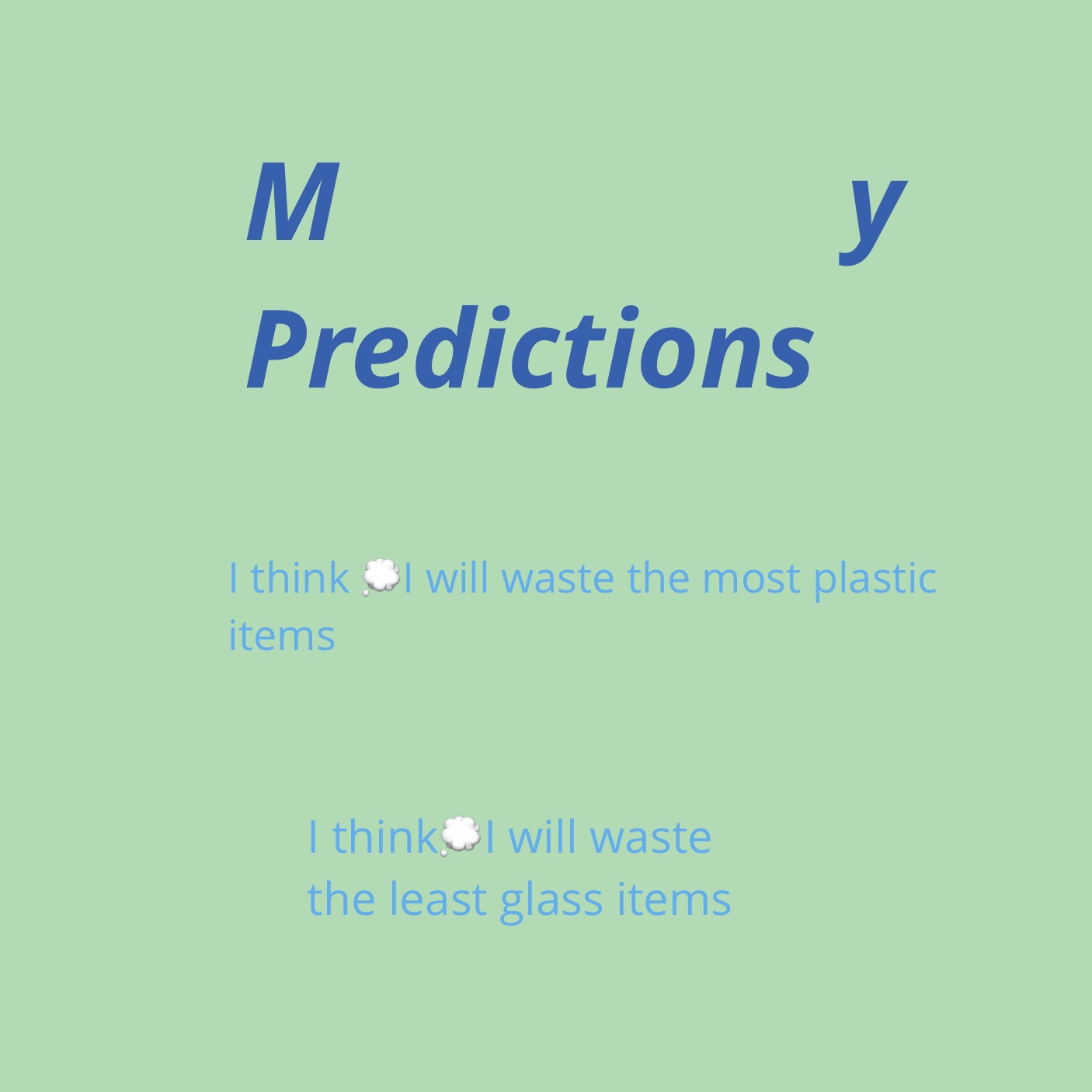
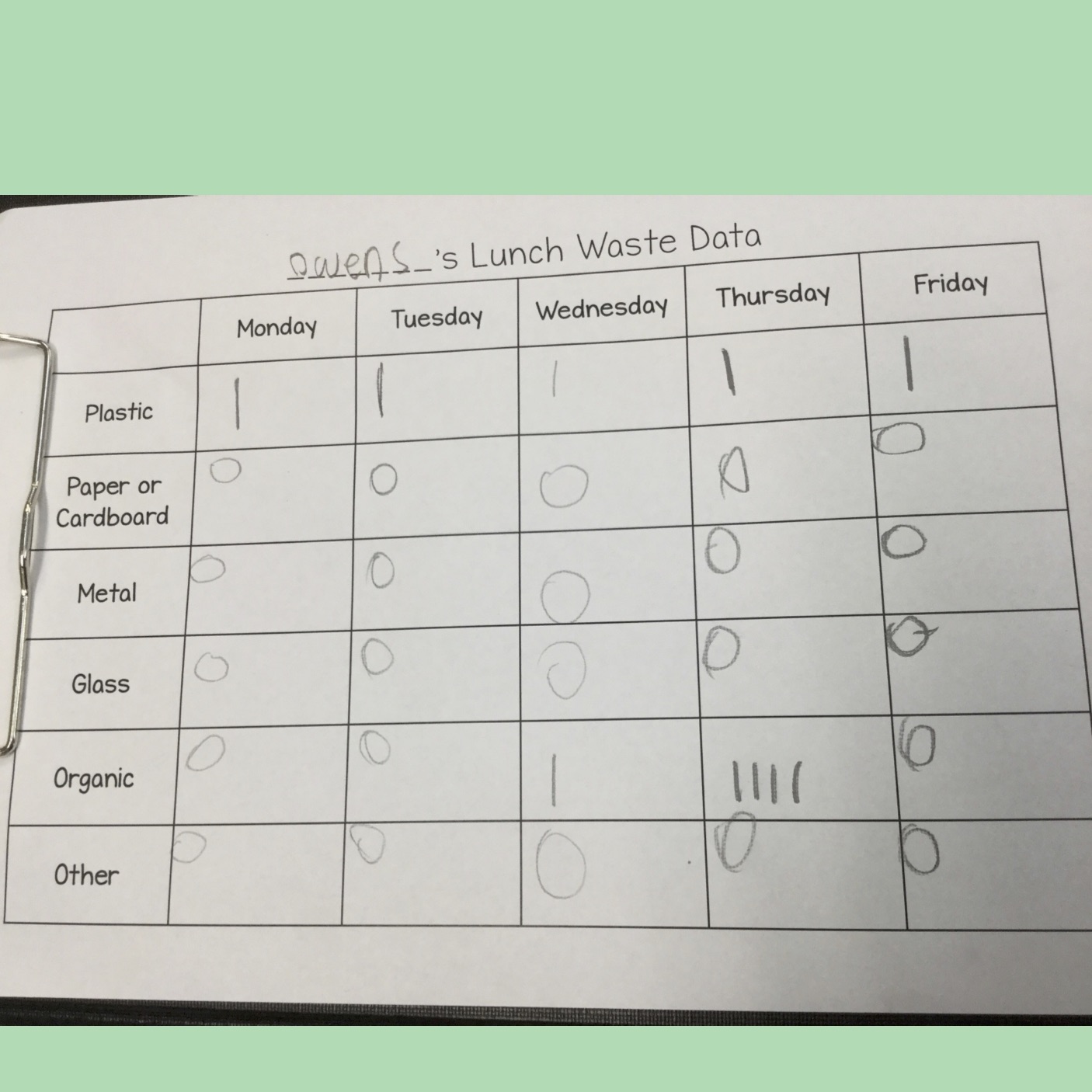
For this task, students predicted what type of waste would appear most frequently, collected data on their food waste which they used to create a graph, and then looked at this data to make conclusions about what waste they are creating and how they can minimise their waste. This project took place over approximately four lessons.
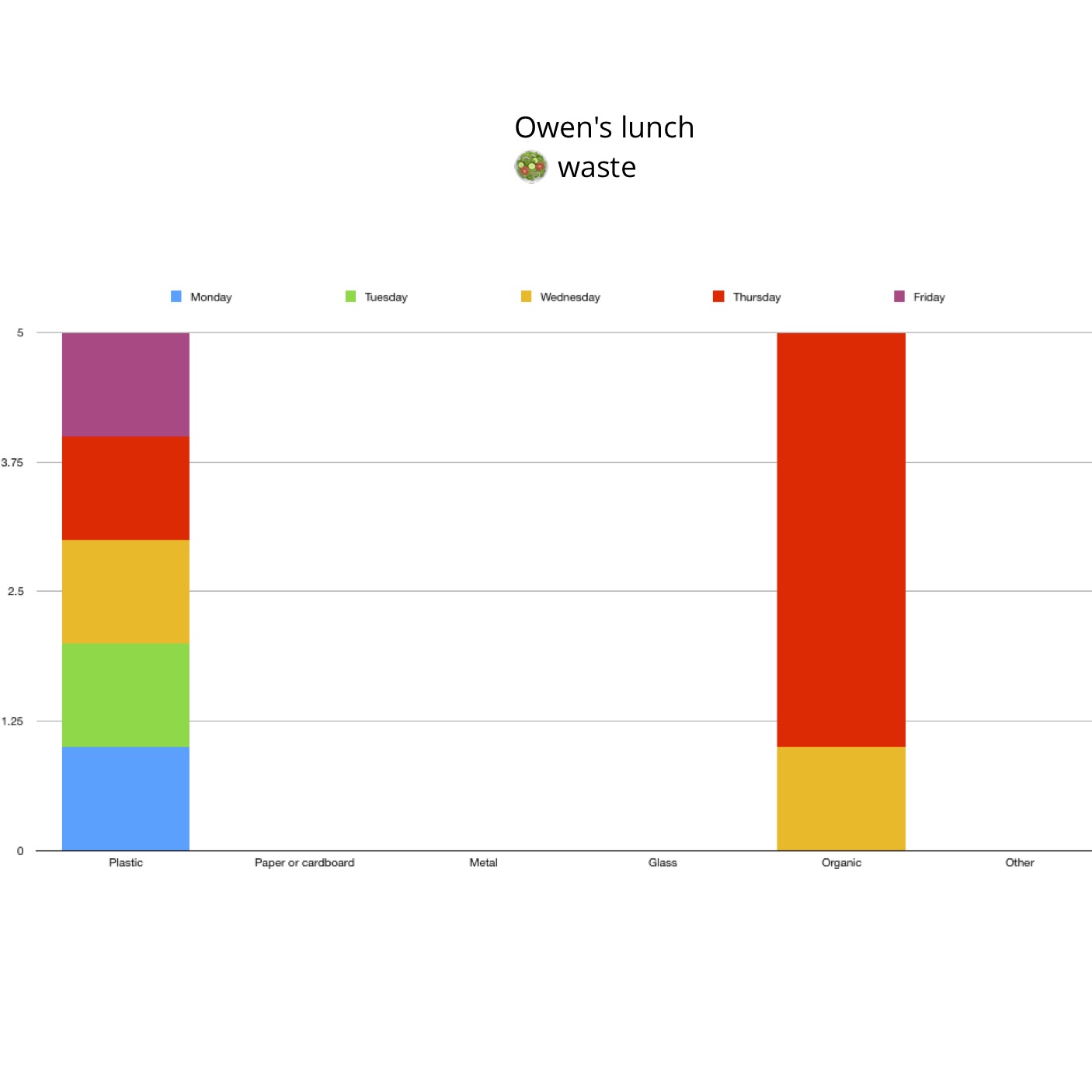
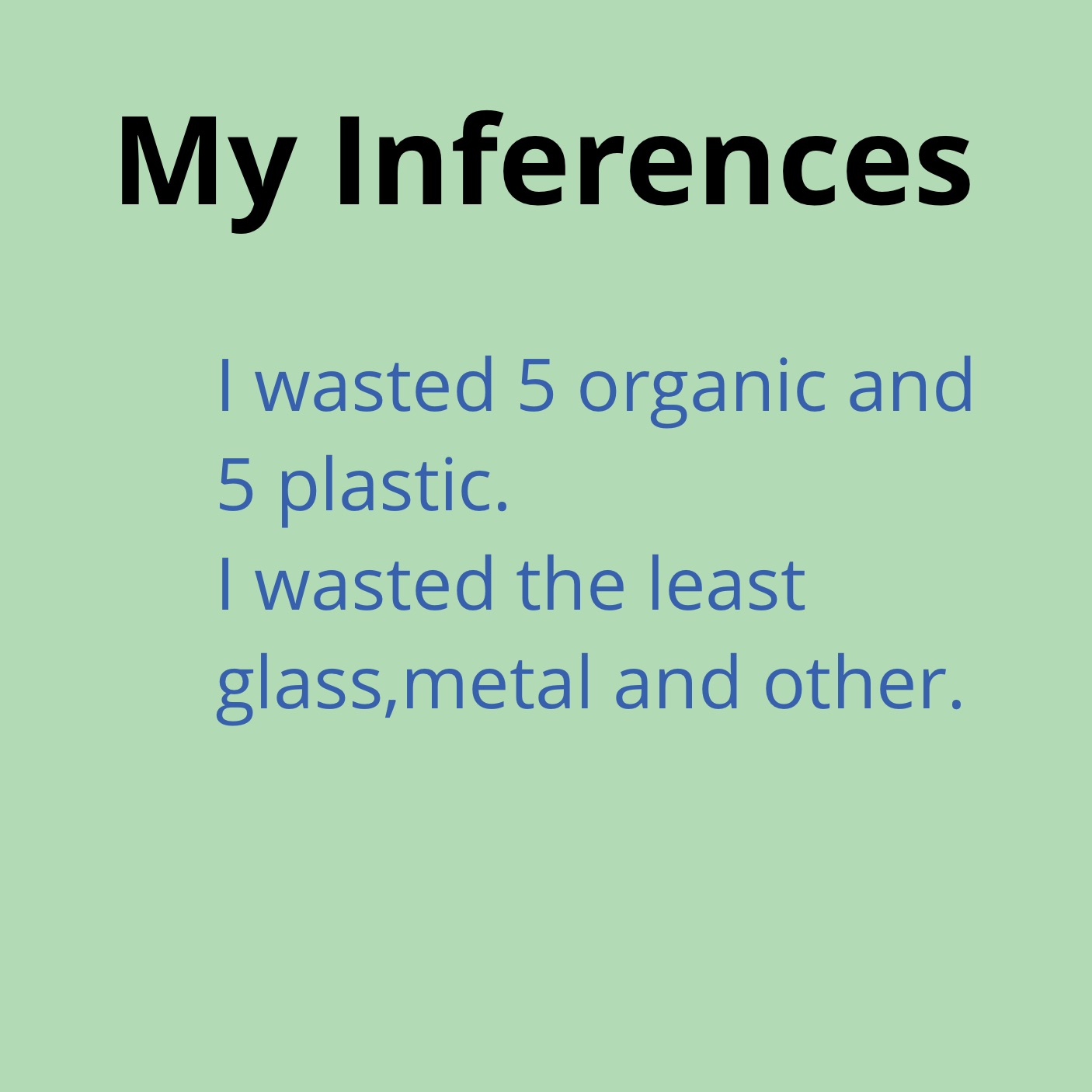
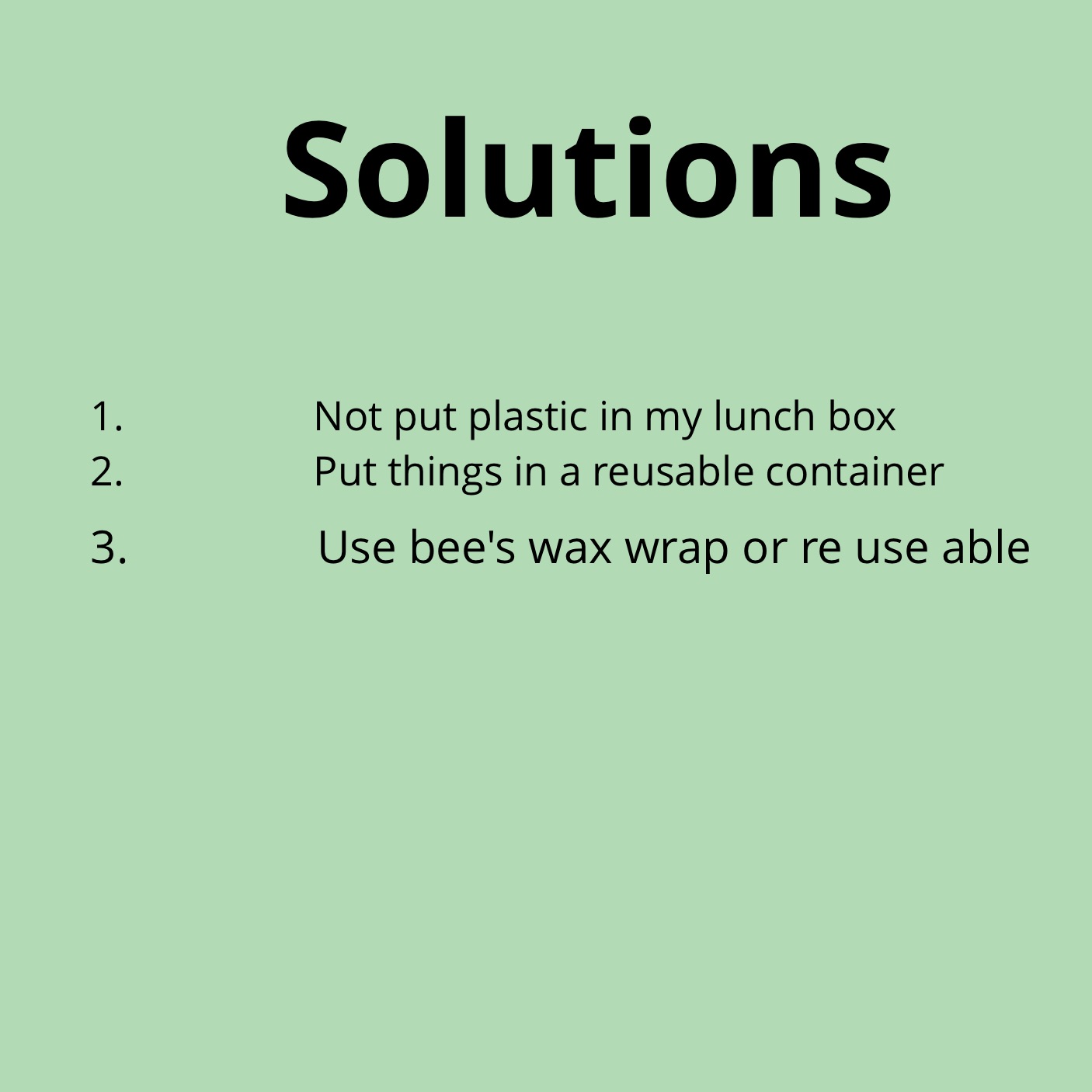
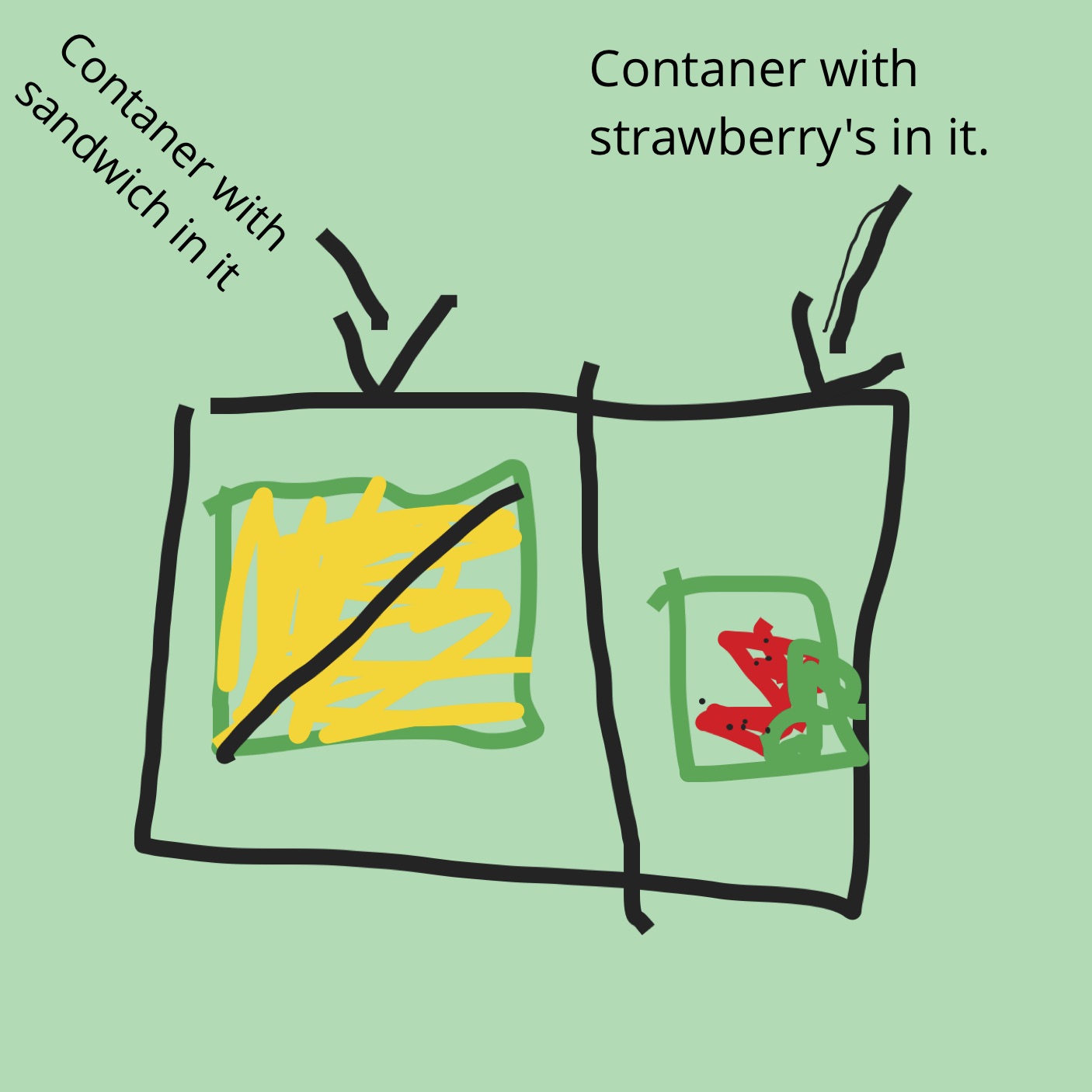
THE REFLECTION TOOL
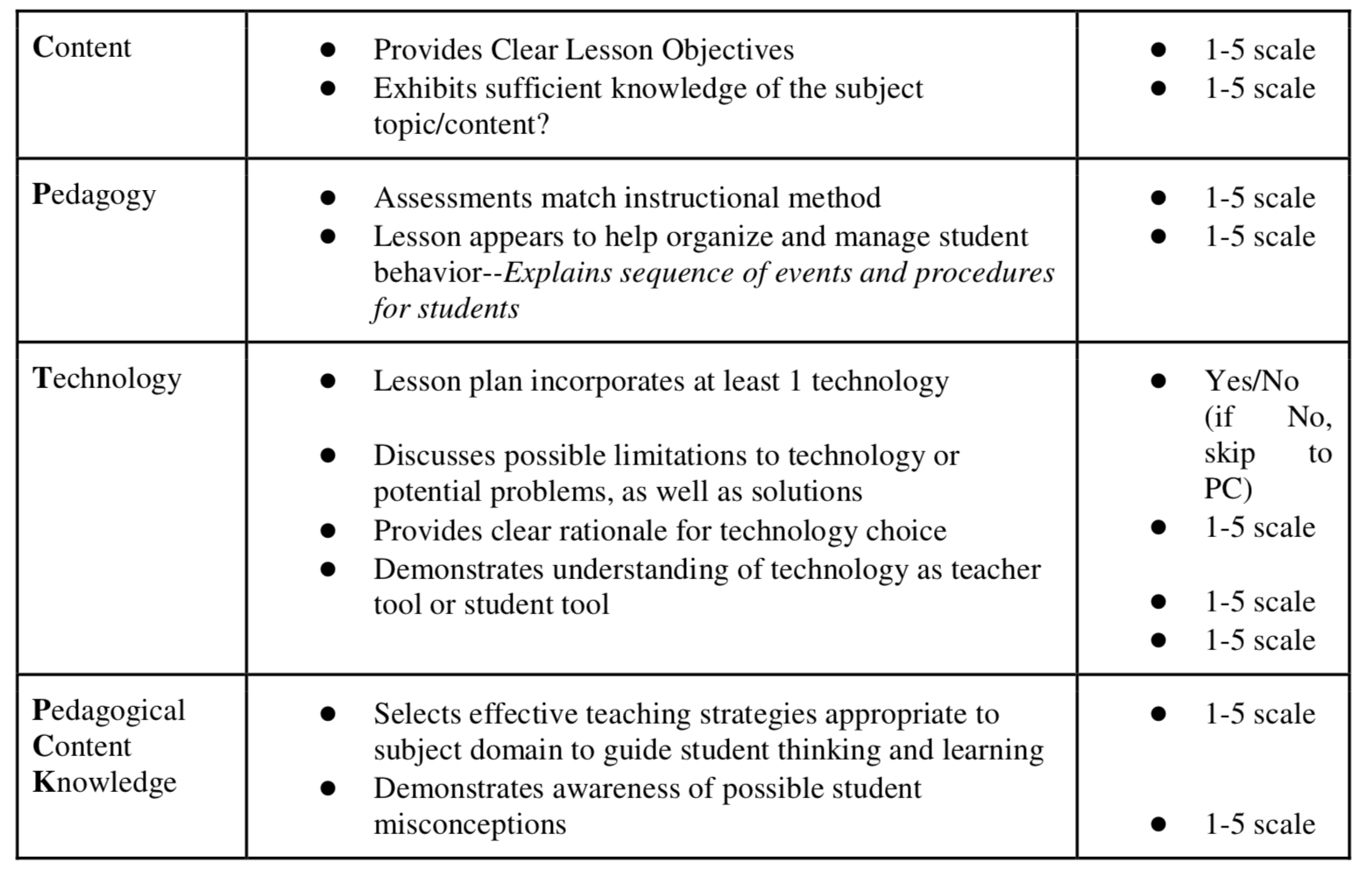
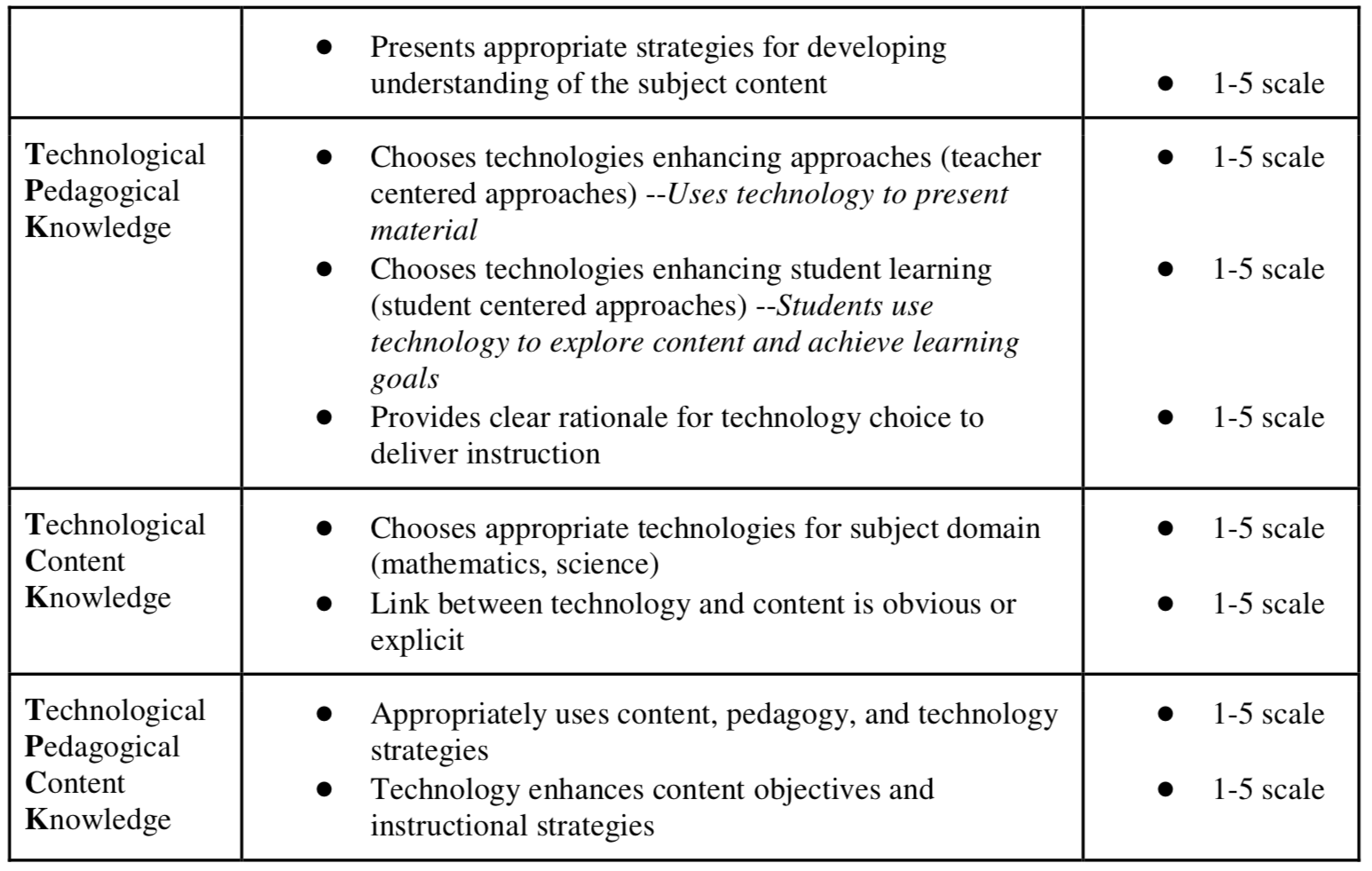
I chose a reflection tool that could be used to reflect on a singular lesson or short series of lessons. I had looked at the rubric developed by Koh (2013), but found that this rubric, while detailed, would be better suited to reflecting upon a long-term technologies program. I decided to use the TPACK Rubric developed by Akcaoglu, Kereluik and Casperson (2011) and have included the rubric below.
FINDINGS
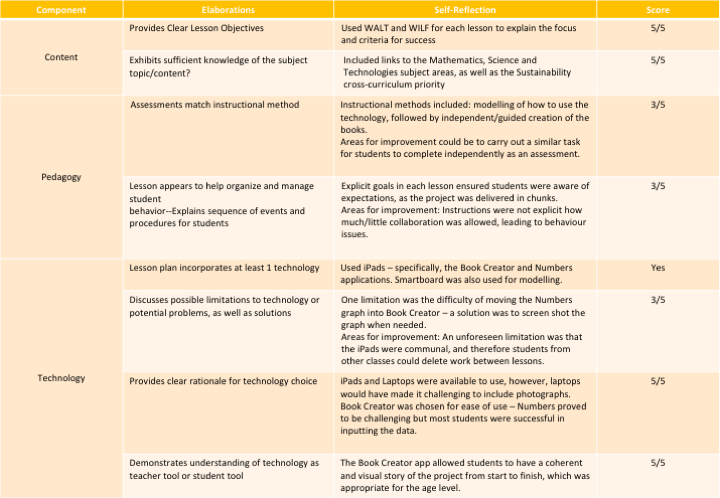
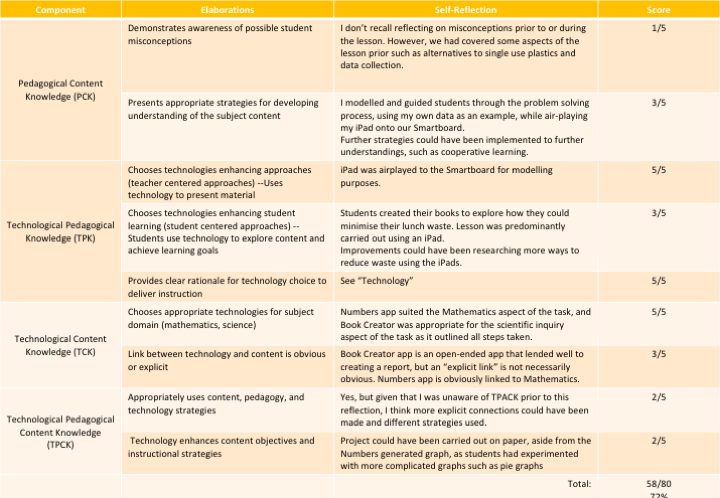
I found that although the TPACK framework was new to me, I had met a lot of the criteria in Akcaoglu et al.’s (2011) rubric. It was interesting to complete the reflection, as it alerted me to components that I had not considered and blind spots in my implementation. The negatives were that it was time-consuming, so perhaps a general reflection of practices using Koh’s (2013) rubric would be beneficial in future.
Word Count (excluding reference list): 368 Words
REFERENCES
Akcaoglu, M., Kereluik, K., & Casperson, G. (2011). Refining TPACK Rubric through Online Lesson Plans. Society for Information Technology & Teacher Education International Conference 2011. 4260 – 4264. Retrieved from https://www.researchgate.net/publication/279495336_Refining_TPACK_Rubric_through_Online_Lesson_Plans
Bower, M. (2017). Design of technology-enhanced learning – Integrating research and practice. Bingley, UK: Emerald Publishing Group
Koh, J. (2013). A Rubric for Assessing Teachers’ Lesson Activities with Respect to TPACK for Meaningful Learning with ICT. Australasian Journal of Educational Technology, 29(6), 887-900.
Mishra, P., & Koehler, M. J. (2006). Technological pedagogical content knowledge: A framework for teacher knowledge.Teachers College Record, 108(6), 1017-1054.
Tpack.org. (2012). TPACK Framework Image [diagram]. Retrieved from http://matt-koehler.com/tpack2/using-the-tpack-image/.

 Kayla Chester EDCN865
Hi Kayla,
Thanks for sharing your experience and thoughts using the TPACK rubric to assess the use of technology in tackling a task with your Year 1’s through a waste audit. Such a wonderful way to make them more aware of what waste they actually have through the collection of data and to display this data visually through two iPad apps. Making a graph is certainly hard for high school students so it is great that you were able to use a technology that was easy for them to use to display their results.
I agree with you that while the rubric is useful in that it shows areas of the implementation of the technology in the lesson that could be improved, it does look like a lengthy assessment.
It could be interesting to use the TPCK model/rubric throughout a whole topic area assessing the perspectives of students. This could look like taking regular observation notes of the conversations occurring between students during their learning and engagement in a design task using a technology such as the iPad apps for designing graphs and reflecting on their wastes. The conversations between students could be categoried as T, P, C, a combination of the two or TPC together. The details of an approach like this was noted in (MISHRA & KOEHLER, 2006) who found that over time those working in these groups on a design based activity had an increase in frequency of conversations that hit on all three aspects (TPC) as they performed authentic tasks with technology.
While this would look very different for young children, I am curious to know whether the language around these tasks would change for them also as they increased in their understanding of the overlap between these three areas.
Is there much scope in your job to observe and document the conversations (over a series of week) that students would have with each other through a design task with integrated technology? I wonder whether this framework could be a good way to measure whether students understood the integrated nature of these three aspects.
MISHRA, P., & KOEHLER, M. (2006). Technological Pedagogical Content Knowledge: A Framework for Teacher Knowledge. Teachers College Record, 108(6), 1017-1054. doi: 10.1111/j.1467-9620.2006.00684.x
LikeLike